
By Susan Wroble
Marketing. It usually fall pretty low on the list of things that KidLit creators want to do. But in a series of webinars this spring for Rocky Mountain Chapter of SCBWI, author Jessica Speer set out to change that mindset. Marketing, she noted, has evolved from an approach that focuses on market sales to one that values the audience as partners—an approach that prioritizes authenticity, value and trust.

Jessica’s Marketing Plan 101 started with a simple exercise: think about the ways you market yourself and your book, and add ways you want to try. Then think about what you like to do off that list, and what you think works best for you.
With that in place, Jessica recommended a five-step plan:
- defining your target audience,
- defining goals and making them measurable,
- developing a timeline and budget,
- adding action steps
- and at the end of the year, review, modify, and start over!
A measurable goal might be something like “raise awareness of my books by appearing on five parenting podcasts” while an action step might be something like “check Podmatch weekly to make connections.”
In the second webinar in the series, RMC members shared how they started putting some of that plan into place, and what has worked for them. Writer and poet Michelle Schaub said that she now has a reminder to reach out to her publisher twice a month, letting them know of good news.
 Beth Anderson loved the idea of scheduling marketing items on the calendar, and the idea of linking things. She noted that many classroom lessons start with quick, easy videos. Her promotional group has a YouTube channel with information for teachers, and one of her videos was a short (1.5minutes!) question of “What Would You Do?”, a springboard off her INCONVENIENT ALPHABET book that invited students to write persuasively. She adds those videos to the book page, to her podcast, to the teacher guides… all with the goal of reaching and assisting teachers.
Roxanne Troup shared a simple, easy tip—to go back through old blog posts and add “Alt Text” to all the images. Originally developed as a description of images for the visually impaired, Alt Text can link the image to a description—and to your name as author and the book title.
And when your book fits into some niche market, as Roxanne’s MY GRANDPA, MY TREE AND ME did with agricultural education, she recommends sending out pre-publication emails. Rachel’s template was to ask if they “might be able to help get the word out about this book through the [program name].” In her email, she provided a link to the book itself, teacher guides, and the publisher’s sell sheet as a handy way to pass along information about the book. Jenny Elder Moke noted that for her teacher guides, she included a biography, the book pitch, research links, and potential classroom activities.
In terms of book publicity, Lisa Cobb, Malia Maunakea and Lynn Becker all had luck reaching out to local newspapers or magazines of their alma maters. Beth recommended asked the publisher for their marketing plan, and then focusing efforts of the things they were not doing.
One technique for getting publicity, especially if you are a subject matter expert, is through Connectively (formerly HARA: Help A Reporter Out). The “lite” version is free, and allows you to browse the queries, searching by keyword, and send up to ten pitches a month.
Jessica noted that repurposing is a simple but effective way to optimize your website and social media presence. She might aim for at least one new article a month, but she will also update an older article to share again, or share in another place (LinkedIn, or Facebook, or a newsletter). And she ended with a quote from marketing guru Seth Godin, which reframed the idea of marketing for me, replacing at least some of my dread with anticipation:
“Our job is to connect with people , to interact with them in a way that leaves them better than we found them, more able to get to where they’d like to go.”
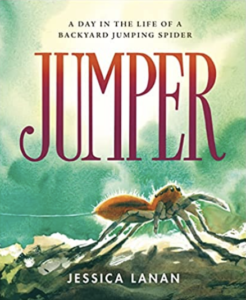 One of the favorite and most influential books of my childhood was BE NICE TO SPIDERS by Margaret Bloy Graham. When I saw RMC author and illustrator
 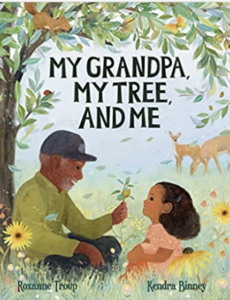 Roxanne Troup
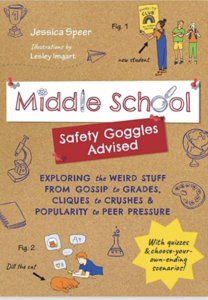 With a master’s degree in social sciences, author
 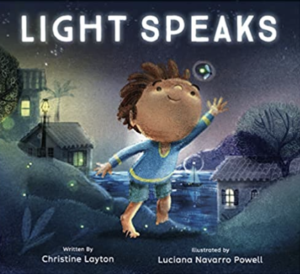 Christine Layton’s
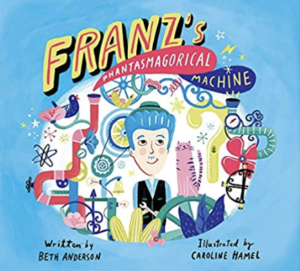 Beth Anderson