Author Archives: Susan Wroble

The Power of a Reading Buddy

By Susan Wroble

Seven years ago, our pup Nella was recruited for a job.
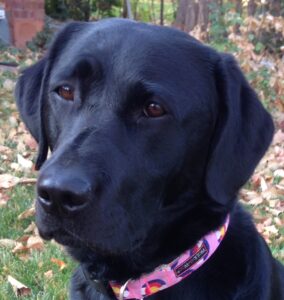
Nella, a black lab mix bred by Canine Companions.

Julie Neitz Wielga directs Partners in Literacy, a non-profit that creates communities of readers in schools. She matches up each student with an adult reading buddy, and the two meet weekly to read and discuss carefully chosen books. It a powerful—and highly successful—model for developing literacy.

But one student needed more.

Julie had worked with Rob in 4th and 5th grades, and he was going into 6th in a combined elementary/middle school. Rob was the type of kid who was always out of his seat, always bouncing up to get water or wander the halls, always heading off to talk to teachers instead of the other students. The type of brilliant kid who fails classes. The type of kid who doesn’t read because he can’t sit still. For this student, a regular reading buddy hadn’t been enough.

Julie thought that a dog might be the key. She knew that our family raised service dog pups , and we had kept Nella when she didn’t graduate for medical reasons and had worked to certify her as a therapy dog. In the summer before Rob started middle school, Julie took me on a tour of the school and we brainstormed how reading to Nella might work for this specific student. When I spotted a gigantic bean bag chair, we had a plan.

Nella and either my husband or I would head to the school library to pick up the books, then meet Rob at the chair, which we had positioned in a quiet corner of the auditorium stage. Rob sank into the chair. And Nella—all 55 pounds of her—jumped right of top of Rob, snuggled in, and listened to him read. It’s close to impossible for a student to spring out of their seat with a reading buddy providing that much pressure and weight and support.
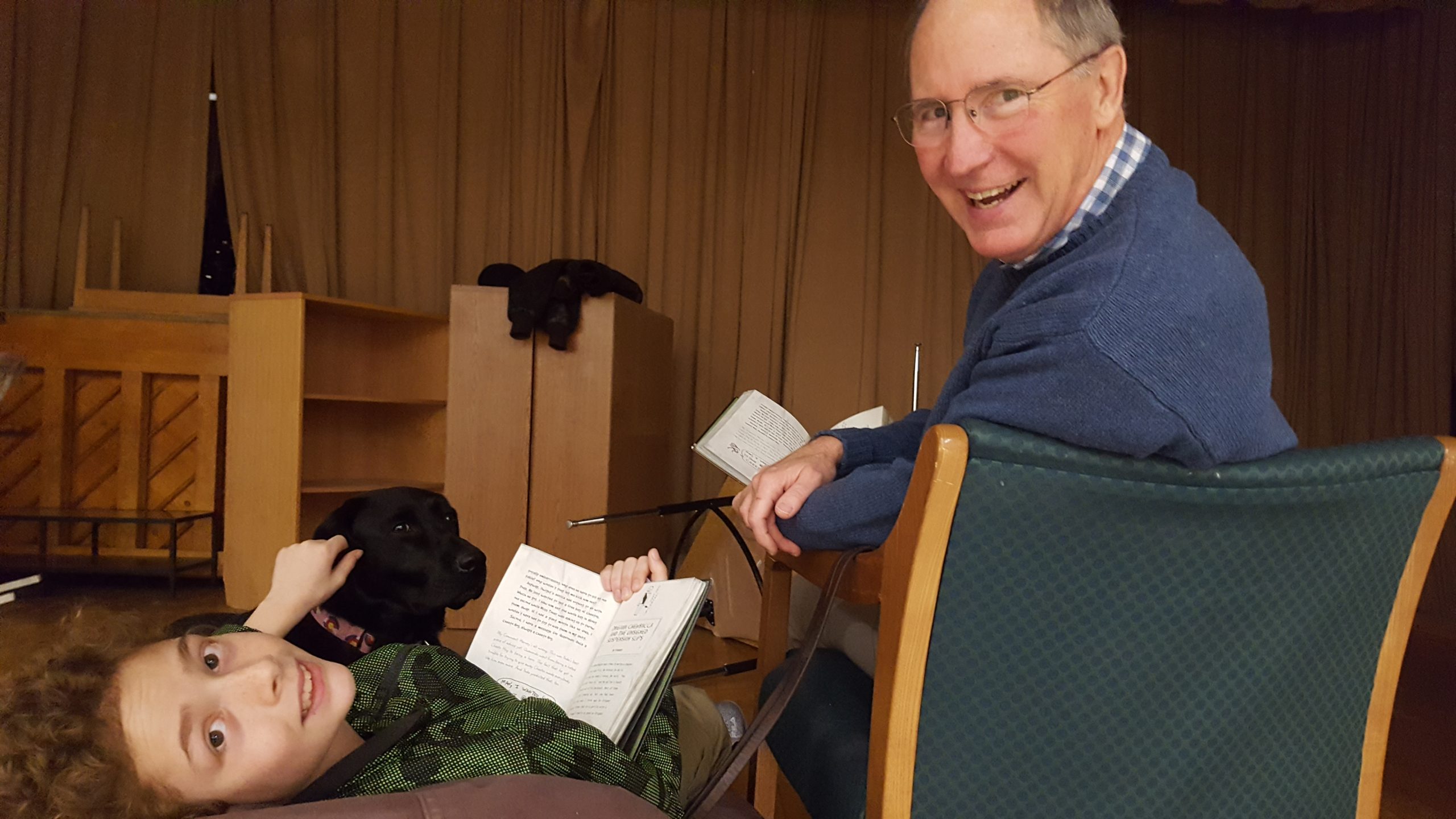
Rob on a bean bag chair with Nella on his lap, and Guy Wroble


One of the secrets of Partners in Literacy is the books, chosen specifically for each student. To start the year, Julie chose Rain, Reign by Ann M. Martin, a book about a neurodiverse kid and a special dog.

Julie’s idea paid off. Rob’s reading level jumped about three grades that year. Each week for two years, he read to Nella. He got to school on time, even early, to not miss the reading sessions. In his school photo, there’s a second face, a black furry one.
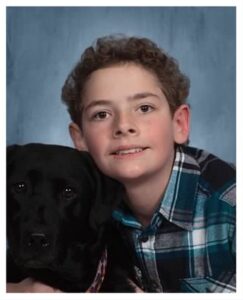
School photo of a boy with a black dog.

School photo of Rob with reading buddy Nella

Then Rob and his mom moved out of state. But that particular bond proved too strong to break. He called often. We zoomed. And each year when Rob was back in the state, we would get together—and Nella would snuggle right in.

School remained a challenging fit for Rob’s neurospicy brain. He ended up in an on-line school. Making it through high school was often in doubt.

But this year, he graduated. And we celebrated. Sometimes reading buddies are for far more than reading. Sometimes, they change lives.
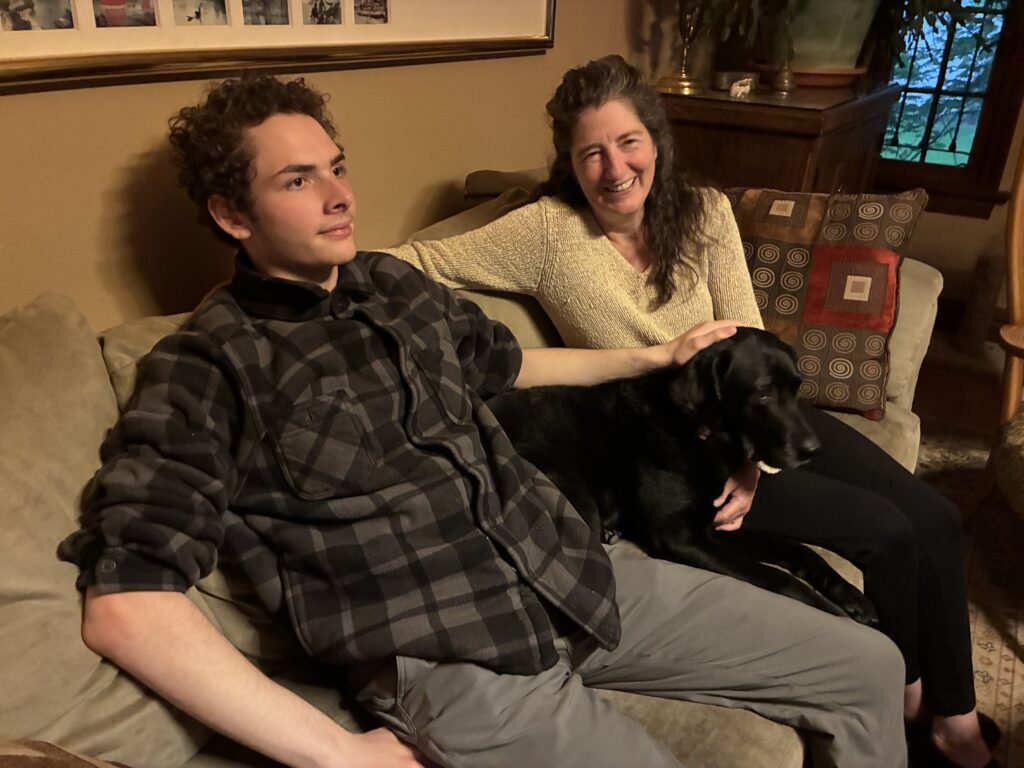
Rob, Nella and Susan seven years after becoming reading buddies with Partners in Literacy

For more information:

Partners in Literacy’s website and an earlier Writer’s Web post.

Article on the science of reading to animals

Rain, Reign by Ann M. Martin — a book that Rob talks about still.

5 Comments

Filed under 2025, Literacy Program, Partners in Literacy, Susan Wroble

Just the Right Word: The Joys of a Good Thesaurus

Many years ago, I attended a writing class with the incomparable Melanie Crowder that completely changed the way I wrote. That class opened my eyes to an entire new world, and at the time it was so far over my head—and was so brilliant—that I knew I was getting graduate-level craft techniques when my writing skill set was still somewhere at the high school level.

Melanie talked about word choice. Specifically, she talked about dialogue. What stuck with me was the insight that a character’s words should reflect their personality. A shy, withdrawn character would use softer sounds and would avoid using words with a lot of hard K and G sounds.

After that class, a thesaurus—first Roger’s, then the online Merriam Webster’s—became an essential part of my writing practice. I love searching for just the right word, with all its nuance and complexity of meaning. I’ve found that that those word searches have the added benefit of  being able to integrate words with poetic devices, like alliteration, assonance, and consonance.

But for writers, a generic thesaurus often isn’t enough. One of my favorite thesaurus-like resources has been linguistic professor Beth Levin’s ENLISH VERB CLASSES AND ALTERNATIONS: A PRELIMINARY INVESTIGATION.While I can not tell you what a verb alternation is, I do know that Prof. Levin’s lists are priceless. For my upcoming picture book DAWN CHORUS: PROTECTING BIRDSONG AROUND THE WORLD (Holiday House, 2026), I featured a variety of endangered birds, and was searching for a whole lot of different words that described the emergence of early morning birdsong. And the list I needed was there, under “Verbs of Sound Emission.”

This is a book that you can open to any page and find unexpected gems. There’s “Verbs of Social Interaction” with subclasses for meet, marry, correspond, talk and chitchat, or “Verbs of Removing” with its subclasses of remove, banish, clear and wipe, or “Verbs of Gestures and Signs Involving Body Parts” its wink and crane and curtsey subclasses. Writers often strive to reduce their use of adverbs, and make their writing more crisp and descriptive. In Latin, thesaurus” means “storehouse” or “treasury”, and this book is indeed a treasure.


Another treasure that should be on every writer’s shelf is Angela Ackerman and Becca Puglist’s best-selling THE EMOTION THESAURUS. For each emotion, there’s a list of physical signals and behaviors, internal sensations, mental responses, long-term responses, signs that the emotion is being suppressed, other emptions that this might escalate or de-escalate to, and associated verbs.

Ackerman and Puglist didn’t stop with emotions. Under their Writers Helping Writers® brand, they have an entire thesaurus collection with the goal of help writers master description and learn to show, instead of telling. There are thesauruses for settings and conflict, for occupations and character traits, and emotional amplifiers and wounds. And for those who would rather search online, all their works are available via One Stop for Writers. You can check it out with a two-week free trial, or sign up for monthly, six-month or yearly rates (currently $11, $60, or $105).


Another phenomenal resource for finding just the right word is the University of Miami at Ohio’s collection of collective nouns. This list is amazing not just for its depth, but for the fact that it includes when the word was first used (and the spelling at the time). A dissimulation of birds, for example, has been in use since the 1560s.

And, of course, there is the OneLook Dictionary and Thesaurus, a program that you can either use separately or install to work with your Google Docs. What I love about the OneLook Thesaurus is that it provides synonyms by part of speech, so if you were starting with a verb and looking for a relative adjective or noun, this one is great. For the poets, it will also restrict the lists by meter. For example, if you start with the word “soar” and wanted a related trochaic word (stressed, unstressed, unstressed beats), it might suggest “towering”.

Two thesaurus-related books for kids are also on my shelves: Tara Lazar’s ABSURD WORDS and Jen Bryant’s THE RIGHT WORD: ROGET AND HIS THESAURUS, illustrated by Melissa Sweet.


ABSURD WORDS is subtitled “A Fun and Hilarious Vocabulary Builder for Future Word Nerds” and in it, Lazar has created word squads with groups that share something in common. Not surprisingly, one of my favorite squads is “Once Upon a Time.” It’s words that have origins in stories—words like Pollyanna, jabberwocky, Lilliputian, and quixotic. The whole thing is just a delight to pick up, turn to any page, and read.


Jen Bryant’s THE RIGHT WORD is a nonfiction picture book that tells the story of young Peter Mark Roget, who made lists of related words in his desire to use the perfect word. Like many writers, I am indebted—and so, so grateful—for his work.

7 Comments

Filed under 2025, Susan Wroble, Uncategorized

Making a Marketing Plan that Works for You

By Susan Wroble

Marketing. It usually fall pretty low on the list of things that KidLit creators want to do. But in a series of webinars this spring for Rocky Mountain Chapter of SCBWI, author Jessica Speer set out to change that mindset. Marketing, she noted, has evolved from an approach that focuses on market sales to one that values the audience as partners—an approach that prioritizes authenticity, value and trust.

Jessica’s Marketing Plan 101 started with a simple exercise: think about the ways you market yourself and your book, and add ways you want to try. Then think about what you like to do off that list, and what you think works best for you.

With that in place, Jessica recommended a five-step plan:

  1. defining your target audience,
  2. defining goals and making them measurable,
  3. developing a timeline and budget,
  4. adding action steps
  5. and at the end of the year, review, modify, and start over!

A measurable goal might be something like “raise awareness of my books by appearing on five parenting podcasts” while an action step might be something like “check Podmatch weekly to make connections.”

In the second webinar in the series, RMC members shared how they started putting some of that plan into place, and what has worked for them. Writer and poet Michelle Schaub said that she now has a reminder to reach out to her publisher twice a month, letting them know of good news.

Author Beth Anders with copy of book AN INCONVENIENT ALPHABETBeth Anderson loved the idea of scheduling marketing items on the calendar, and the idea of linking things. She noted that many classroom lessons start with quick, easy videos. Her promotional group has a YouTube channel with information for teachers, and one of her videos was a short (1.5minutes!) question of “What Would You Do?”, a springboard off her INCONVENIENT ALPHABET book that invited students to write persuasively. She adds those videos to the book page, to her podcast, to the teacher guides… all with the goal of reaching and assisting teachers.


Roxanne Troup shared a simple, easy tip—to go back through old blog posts and add “Alt Text” to all the images. Originally developed as a description of images for the visually impaired, Alt Text can link the image to a description—and to your name as author and the book title.

And when your book fits into some niche market, as Roxanne’s MY GRANDPA, MY TREE AND ME did with agricultural education, she recommends sending out pre-publication emails. Rachel’s template was to ask if they “might be able to help get the word out about this book through the [program name].” In her email, she provided a link to the book itself, teacher guides, and the publisher’s sell sheet as a handy way to pass along information about the book. Jenny Elder Moke noted that for her teacher guides, she included a biography, the book pitch, research links, and potential classroom activities.

In terms of book publicity, Lisa Cobb, Malia Maunakea and Lynn Becker all had luck reaching out to local newspapers or magazines of their alma maters. Beth recommended asked the publisher for their marketing plan, and then focusing efforts of the things they were not doing.

One technique for getting publicity, especially if you are a subject matter expert, is through Connectively (formerly HARA: Help A Reporter Out). The “lite” version is free, and allows you to browse the queries, searching by keyword, and send up to ten pitches a month.

Jessica noted that repurposing is a simple but effective way to optimize your website and social media presence. She might aim for at least one new article a month, but she will also update an older article to share again, or share in another place (LinkedIn, or Facebook, or a newsletter). And she ended with a quote from marketing guru Seth Godin, which reframed the idea of marketing for me, replacing at least some of my dread with anticipation:

“Our job is to connect with people , to interact with them in a way that leaves them better than we found them, more able to get to where they’d like to go.”

3 Comments

Filed under Marketing, RMC-SCBWI, SCBWI, Susan Wroble

The Art of the Review (and why to do them!)

By Susan Wroble

In the post-conference survey from last years’ Rocky Mountain Chapter SCBWI’s annual conference, there was one request that really stuck with me. The attendee wrote “I want to learn how more about reviews. How to write them. How to get them.”

This resonated because I had struggled with reviews. While there are many reasons I now write them (learning the market, supporting my writing community, introducing people to books I love…), there is also the hope that one day, others will be writing reviews for me. Writing reviews feels a bit like dipping into karma.

I post most of my reviews on Amazon or Instagram, but Goodreads and Barnes and Noble are both great options, along with podcasts. While Amazon isn’t where I tend to buy new books, it is a place where numbers matter, and one of my goals is to make my reviews as effective as possible for book creators.

My process is fairly simple: I log into Amazon, search for the book I plan to review, then scroll down until I get to “write a customer review.” I give a short paragraph about why I loved the book. If it’s a picture book, I try to include a photo of an interior page, as well as a bit about the artwork—here’s an example with Patty Cisneros Prevo’s book TENACIOUS. I only write reviews for books that I can honestly and happily rate as five stars.

I’ve found that Instagram is a fabulous place to post reviews of books that I want to be able to find and reference easily later on—perhaps as mentor texts, like Roxanne Troup’s compare/contrast structure in MY GRANDPA, MY TREE AND ME, or as comp titles for a work-in-progress.

Taking it to the Next Level:

I’m always in awe of those people who have taken reviewing to the next level. I’d encourage you to take the time to read, follow and get to know these incredible reviewers, their sites, and their reviews and resources.

Bianca Schultz is founder and editor of The Children’s Book Review (TCBR). The Association for Library Service to Children (ALSC) has named TCBR one of the Great Websites for Kids. And no wonder—this amazingly user-friendly site provides lists by author, subject, age, and favorites (including board books, books on activism and diverse and inclusive books). And if that weren’t all, there’s the Growing Reader’s podcast, frequent book give-aways, interviews with authors and illustrators, and a rich trove of articles and writing resources, including this one on the art of getting your children’s book reviewed!

Children’s book expert Melissa Taylor operates the site Imagination Soup. More than 35,000 teachers, parents and librarians subscribe to the Imagination Soup newsletter. Her newsletters give book reviews and learning resources, and the highly searchable site gives books by genre, age and—my favorite as a former homeschooler—playful learning. Being included on Melissa’s incredible booklists provides a lot of exposure. Imagination Soup is a go-to site for lists — say you want a list of books to teach word choice, books in a series by grade-level, exceptional books with autistic characters… just about every possible list you could imagine is on this site! For reviews, Melissa includes a short paragraph about the book and a purchasing link.

If you write middle grade, Greg Pattridge is your guy! Greg runs the “Always in the Middle” site. His reviews provide a summary of the book, the book birthday and page count, “Five More Things to Like” and a bit about the author (and illustrator, when applicable). Greg has a great break-down by category, so if you are looking for MG graphic novels, or nonfiction, or sci-fi, for example, his site is an excellent place to search.

Greg lend his support to other middle grade reviewers with his Marvelous Middle Grade Mondays (MMGM) posts, where he links to several other middle grade review sites — and he makes it super easy to be included. To have your review of a MG book included in the MMGM line-up, all you have to do is email Greg at gpcolo (at) gmail (dot) com by Sunday night with a link to your blog and the title you are featuring, MMGM in the subject line, then schedule a post for a Monday.

Author and reading specialist Laura Roettiger doesn’t do traditional book reviews. Instead, each month she features one author or illustrator and their book on her blog. I was honored to be highlighted in November 2022. Laura’s process is that she sends her interviewees a list of questions and requests a photos to accompany the post. I can tell you that, from an author’s perspective, having an interview like this to be able to link to is a true gift.

So for those of you wondering how to start reviewing, there is no “right” way. Just start, and over time you’ll figure out what works for you! And if you are wondering how to get reviews, that’s easy. Lean into the karma of supporting your kidlit community, and gift them reviews.

2 Comments

Filed under 2024, Book Review, RMC-SCBWI, Susan Wroble

KidLit Nonfiction Awards

NONFICTION AWARDS

By Susan Wroble

This past summer, my planned presentation on award-winning nonfiction books took a tangent. I realized that instead of award-winning books, what I really wanted to learn about was the nonfiction awards themselves. I knew about the Sibert Awards from the American Library Association but had no idea if there were any other KidLit nonfiction awards out there.

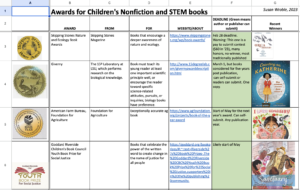
For authors, awards are one way to try to help give your book a longer life—and it turns out that there are other awards besides the Sibert. A LOT of others. I found 17 awards where, unlike the Sibert, the author or the publisher has some input into the nomination process. Some of my favorites of the nonfiction children’s awards include:

The Foundation for Agriculture Award from the American Farm Bureau. Their “Book of the Year Award” goes to
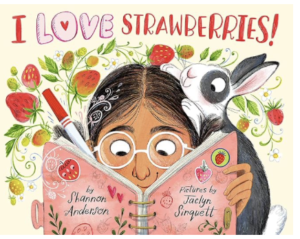
books that have accurate information about agriculture with a positive portrayal. Shannon Anderson’s delightful I LOVE STRAWBERRIES, illustrated by Jaclyn Sinquett, is a fabulous example. And as a side note on this award, the Farm Bureau has its own publishing house, Feeding Minds Press. If you are working on a manuscript that pertains to agriculture in a broad sense, consider submitting it to Feeding Minds.


The AAAS/Subaru SB&F Prize for Excellence in Science Books. This prize is awarded in four different categories: children’s (PBs), middle grade, hands-on, and young adult. The criteria vary a bit by group, but in general must support the development of positive attitudes about learning about STEM topics. The books must be well-organized, with the scientific concepts accurately presented. One of the joys of this particular site is that it is very searchable, both by category and by year.

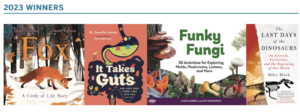
The Eureka! Children’s Nonfiction Book Awards from the California Reading Association carry a lot of weight—their list is a reference for librarians in other states and around the world. Awards are given to a lot of books: in 2023, there were 10 Gold Awards and 40 Honors Awards.  The authors and illustrators do not need to be from California, and the list of what constitutes nonfiction is simple: everything that is not fiction. That means that this award is a great fit for harder categories like memoir or poetry, folktales or cookbooks.

You can access my “Awards for Children’s Nonfiction and STEM” spreadsheet here.  The list is focused on awards that authors have some control over, and is organized by submission date. There may still be others out there that I missed. If you find additions or errors, please contact me. And best wishes on your own awards!

3 Comments

Filed under 2023, Nonfiction, Susan Wroble

Putting Edelweiss to Work!

By Susan Wroble (Note that a version of this post first appeared in RMC Kite Tales, Spring 2023)

Have you ever noticed the disclaimers on some book reviews posted to book blogs or Goodreads?  I received this book from the publisher via Edelweiss so I could provide an honest review. No compensation was given and all opinions are my own.”  They aren’t talking about that “Sound of Music” flower!


Edelweiss (aka Edel) is an online platform where publishers make advance reader copies (ARCs) available in digital formats to select readers before the books are published. They do this to encourage early reviews and generate buzz before a book comes out. 

In the Rocky Mountain Chapter of SCBWI’s Publishing Path webinar series, developmental editor Susan Chang recommended that everyone should have an Edel account, but for surprising reasons unrelated to reviewing e-ARCs (electronic ARCs). And when someone like Susan says “everyone should,” I pay attention. 

Susan explained that for authors, having an Edel account is an efficient way to read new books in your category, find comparable titles (comps) for your own work, explore marketing plans, and study a publisher’s catalog before submitting to them. 

Regardless of where you are in your publishing journey, you will eventually want to have access to upcoming releases as you study the market for your work-in-progress. And we all know that finding good comp titles can be tricky, so I am very excited about this platform. Edelweiss can make parts of querying so much easier, and setting up an account is FREE!

CREATING YOUR PROFILE AND REQUESTING ADVANCE READER COPIES:

Start on Edelweiss by navigating to www.edelweiss.plus to create your profile. To get approved to read those digital reader copies (DRCs, Edel’s version of the e-ARC), your profile strength needs to show as “excellent.” Profile strength (with levels like incomplete, good and excellent) is based on how much of the profile you have completed. The question mark beside your strength will show you what is missing. Keep tweaking until you get to excellent. 

When you request DRCs, you are most likely to get approved if you show that you write reviews. Here’s a version of my profile, which shows who I review and why:

I’m a children’s author and voracious reader. I usually max out my library card, and my house is full of books that I am either reading or using as mentor texts for my stories. I currently serve as Co-Regional Advisor of the Rocky Mountain Chapter of the Society of Children’s Writers and Illustrators (SCBWI), and am a member of the marketing group STEAMTeam 2023. The two groups that I usually support through reviews (Amazon, Goodreads, Instagram, and the Instagram of the nonprofit organization Partners in Literacy) are children’s nonfiction authors and children’s authors in the Colorado/Wyoming area.

Note that when you request a specific DRC, you will also need to write a few sentences about why you’ve requested that book. Once you’re granted access, you’ll be provided with a link to download the manuscript in a variety of ways. You can even connect your e-reader and receive the e-ARCs on your personal devices. Remember, though, you’re being provided the sneak peek with the expectation that you’ll write and post a review after reading, so if you love the book, try to be a good author citizen, and follow through. Goodreads, Amazon, and Barnes & Noble are all great places to leave reviews. Your fellow authors will thank you! 


USING EDEL TO FIND COMPS:

While the ability to search for comparable titles, or comps, is one of the huge benefits of Edelweiss, there is one caveat. In query letters, comps are designed to give the agents or editors a feel for the subject or tone or theme of your story. In Edelweiss, comps are intended for marketing. Keeping that nuance in mind, they are incredibly valuable. 

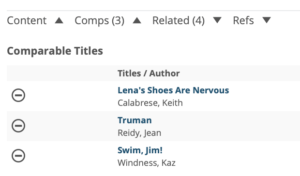
Here’s how to find them: under the “Search for titles” box, type in a title. Using Kaz Windness’s BITSY BAT as an example, note that at the bottom are a series of carrots next to “Content, Comps, Related, Refs.” Clicking on comps and refs gives us three books that are considered comp titles, and others that are related in some way (in this case, because Kaz wrote it!).
If you have a book that might make a good comp, a great next step is to check Edelweiss. You’ll get what the professionals consider to be the comps for that book. 


USING EDEL TO REVIEW MARKETING PLANS:

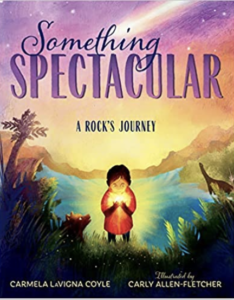
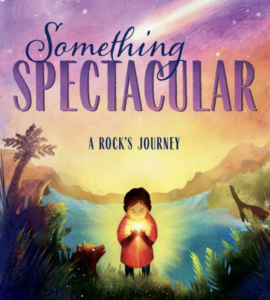
Authors are increasingly being asked to submit marketing plans. Again, Edelweiss can be a huge help. The marketing plans posted here are often a mix of author and publisher activities, but be aware that not all books will have them. To find the marketing plan, go back to those “Content, Comps, Related, Refs” carrots. Clicking the carrot by “Content” for Carmela Coyle’s SOMETHING SPECTACULAR: A ROCK’S JOURNEY gives the summary, bio, marketing plan and selling points. In the marketing plans, you can see the specific blogs that will be targeted for this picture book.

Marking Plan (SOMETHING SPECTACULAR):

  • National outreach campaign targeting mom bloggers, librarians, social media influencers and children’s book reviewers; Mo
  • m Blog Society, Free Range Kids, Jenn’s Blah Blah Blog, Kids Activity Blog, It’s a Lovely Life, Green Hour, The First Book Blog, Seven Impossible Things Before Breakfast, and more.
  • Trade announcements of book to PW, Booklist, Foreword Reviews, Library Journal, School Library Journal, Kirkus, and Shelf Awareness
  • Event kit available for bookstores, schools and libraries for self-promotion, author events, and activities with the book
  • Featured title at Trade Shows
  • NetGalley campaign for early review

As for me, Edelweiss has provided such great data that I am now revamping the comp titles and marketing plans for my works-in-progress. The time spent learning how to navigate this site truly pays off.

(Tech note for Apple users: Chrome seems to be a better browser than Safari for Edelweiss. Once in, Apple’s “Command F” search function is far more powerful than the internal search.) 


1 Comment

Filed under Uncategorized

Not to be Missed Nonfiction

By Susan Wroble

The Rocky Mountain Chapter of SCBWI is one of those truly great organizations, filled with people who willingly share their knowledge to support others. It was the reason I stepped in to volunteer for the chapter’s leadership team—I wanted to keep this organization going. In the nearly two years since then, one of the accomplishments I am happiest about is that we have created some Connect Groups to meet the specific needs of some of our members.

One of those newly created Connect Groups is specifically for nonfiction. The chapter has a strong and growing group of nonfiction creators, and this past year marked the birth of some noteworthy nonfiction that I wanted to bring to your attention. Not only are these great books for the kids in your life, but many should make it to your keeper shelves as both beloved treasures and mentor texts.

For many kids and adults, Carmela LaVigna Coyle is a rock star for her 20-year series PRINCESSES (starting with DO PRINCESSES WEAR HIKING BOOTS). But my personal favorite is her latest, SOMETHING SPECTACULAR: A ROCK’S JOURNEY (Muddy Boots, illustrated by Carly Allen-Fletcher). Structured as a timeline from about 272 million years to today, this story traces the geological journey of a rock through time, from the sediment on the bottom of a forgotten sea to a sandstone heart found and treasured by a young girl. Layered and lyrical, filled with onomatopoeia and alliteration, this book is a stunning read-aloud. And I’ve marveled at the way Carmela kept the young girl, who does not appear until the last page, central to the story. This book lives up to its name—it is truly spectacular!


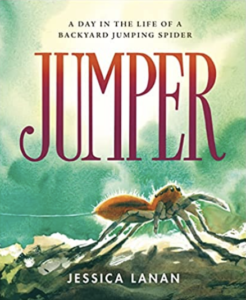
One of the favorite and most influential books of my childhood was BE NICE TO SPIDERS by Margaret Bloy Graham. When I saw RMC author and illustrator Jessica Lanan’s book, I knew it would be a book I would treasure. JUMPER: A DAY IN THE LIFE OF A BACKYARD JUMPING SPIDER (Roaring Book Press, 2023) draws readers in from the very first spread reaching out to ask them to imagine: “What if you were very small? Smaller than a cat or a dog, a bar of soap or a bottle cap. As small as a bean. What would your world be like?” The pages of backmatter are exceptional and include not only a glossary and life cycle and anatomy, but sections on how jumping spiders hear and see and feel—and walk on walls! Jessica’s illustrations, done in ink, watercolor, and gouache, shift back and forth from the perspective of Jumper to the perspective of a child. Both her text and her artwork invite comparisons.
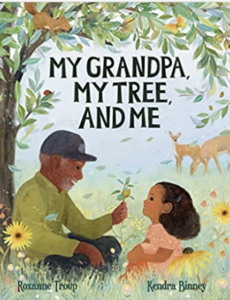
Roxanne Troup lives in Colorado now, but growing up in Missouri, her family (like everyone around) had a pecan tree in their yard. Roxanne’s book MY GRANDPA, MY TREE AND ME (Yeehoo Press, 2022; illustrated by Kendra Binney) flows between the care of a girl’s pecan tree and those in her grandfather’s pecan orchard. Set over the course of a year, the story is so quietly beautiful that it was only on the second reading that I realized it was one of the best examples of a compare and contrast book that I had seen. It’s now one of my favorite mentor texts for that structure. Teachers could use both MY GRANDPA, MY TREE AND ME and JUMPER for a fabulous lesson on two very different and very effective ways to contrast subjects.


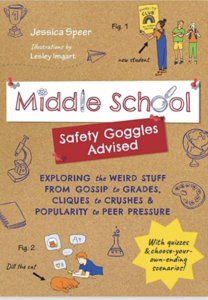
With a master’s degree in social sciences, author Jessica Speer has carved out a niche for her books that blends science and activities with true stories. In researching her latest book, MIDDLE SCHOOL: SAFETY GOGGLES ADVISED (Familius, illustrated by Lesley Imgart), Jessica spent time in conversation with a hundred middle schoolers, asking them what their greatest challenges were, and those top concerns became the chapters in her book. Coming out in August, Jessica has a book that most families with kids will need: THE PHONE BOOK: STAY SAFE, BE SMART AND MAKE THE WORLD BETTER WITH THE POWERFUL DEVICE IN YOUR HAND. For authors, her books are fabulous mentor texts, not only for engaging and interactive books, but for activities that can be included as resources either within a book or on websites.
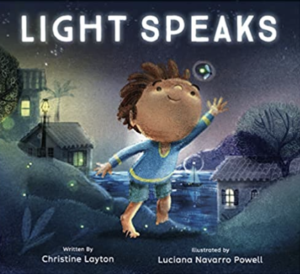


Christine Layton’s picture book LIGHT SPEAKS (Tilbury House, illustrated by Luciana Navarro Powell) is so gorgeous that it brought me near tears. Using spare, poetic text, she introduces the physical properties of light to very young listeners. As a former volunteer in the space section of Denver’s Museum of Nature and Science, I especially loved this spread: “Light tells the space between stars. It echoes off planets and moons—doppled, glowing and brilliant.” Christine’s brilliant backmatter takes each of those properties and explains them each in more detail.


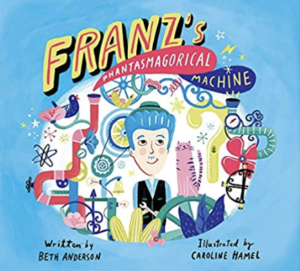
Beth Anderson had not one but THREE (!!!) books come out this past year. Beth is a master at picture book biographies and in finding the heart layer, that lens or angle or viewpoint that makes her subject matter and her book stand out. Her biography FRANZ’S PHANTASMOGORICAL MACHINE (Kids Can Press, Illustrated by Caroline Hamel), about the self-taught inventor Franz Gsellmann, celebrates the drive to build and create and invent—just for the sake of invention—and to not give up. Beth’s books are all so well-crafted that I find myself turning to them again and again for insights on language choice, structure, and most of all, heart.

I hope that you too find yourself drawn to this incredible list—for reading, for gifting, for learning the craft of nonfiction writing. Enjoy!

3 Comments

Filed under 2023, Nonfiction, RMC-SCBWI, Susan Wroble

The Secret of Children’s Book Publishing

By Susan Wroble, February 2023

Psssst… Want to know the secret of children’s book publishing? At the Rocky Mountain Chapter of SCBWI’s panel at the CCIRA literacy conference in February, authors and illustrators shared some of the stories behind their stories. The answer? It’s simple and painful, both.

Persistence.

For some, persistence has meant staying focused over time. Author/Illustrator Kaz Windness is truly on fire, with seven book deals this year! But getting to this point? That took twenty years. And learning the industry also meant learning when a book would be best illustrated by someone else. Kaz wrote A BOOK IS A FRIEND (fall 2024) with illustrator Heather Brockman-Lee’s artwork in mind

Author Jennifer Chambliss Bertman joined SCBWI back in 2000. She worked on writing picture books for years, getting nowhere. She was ready to give up when she decided to try writing for an older audience, and began work on her highly successful middle-grade books instead. After 23 years, Jennifer’s debut picture book, A GOOD DEED CAN GROW, was released last month.

Bianca Schultz’s passion is literacy and growing readers. She founded The Children’s Book Review in 2008 with the goal of helping kids and their parents, caregivers and librarians find great books. The first of her popular “Dragon” series was published in 2020.

Persistence can come in other forms. For Laura Perdew, it meant being willing to write about lots of topics. She found one of the short-cuts into publishing—the work-for-hire market. WFH books are typically found in school libraries. The publisher, not the writer, determines the specifications. Laura now has more than fifty WFH books, along with her debut traditionally published picture book, THE FORT.

Author/Illustrator Gregory Barrington had published his first picture book with Harper Collins, but the editor wasn’t at all excited about Greg’s new manuscript. Greg was asked to write a fractured fairy tale instead. He wrote five completely different stories featuring Goldilocks and the Three Bears. He picked his favorite—and was too nervous to submit it. It didn’t come across the way he wanted on the page. Greg decided the solution was NOT to send it. He asked for a virtual meeting, then he read the manuscript aloud. GOLDILOCKS AND THE THREE KNOCKS was released in November.

Albert Whitman had published Jenny Goebel’s book ADELITA, about a sea turtle, when they asked her to write one on insects. No problem, she thought. The catch? They wanted a book on insects as food. By release date, Jenny still hadn’t managed to eat an insect. Imposter syndrome hit hard. The Butterfly Pavilion was all out of edible insects, so Jenny spent the day in search of a bug to eat. Unfortunately, success came in the form of jalapeno-flavored fried crickets. She’s since discovered more easily purchased (and eaten!) “gateway bugs.” And just like her book, they are CHOCOLATE CHIRP COOKIES.

Both Julie Danneberg and Natasha Wing have had incredibly successful series—Julie with the JITTERS series and Natasha with THE NIGHT BEFORE series. And both have worked not only to keep those series going, but to publish in other areas, from nonfiction to jokes.

Sometimes persistence means a lot of research. Author Jessica Speer knew she wanted to focus on problems kids face in middle school. But she wasn’t exactly sure what the biggest challenges were. So she went to schools and listened. She surveyed students. Her book MIDDLE SCHOOL: SAFETY GOOGLES ADVISED focuses on the top ten problems identified by kids.

For authors Andrea Wang and Beth Anderson, persistence has entailed digging deep—sometimes into hard places emotionally—to find the heart of the story. For others, it has been work to find the words. Lynn Becker was hooked by the idea of a sea shanty. Finding just the right words for MONSTERS IN THE BRINY meant literally walking it out, pounding out the beat with her feet. With her novel-in-verse ALONE, author Megan E. Freeman struggled to find the best ways in each poem to convey the story in the fewest possible words, leaving the rest up to the reader.

Author/illustrator Julie Rowan-Zoch was faced with an unusual request—illustrating for a celebrity author. Saturday Night Live’s actor Bobby Moynihan had submitted sample illustrations with his manuscript NOT ALL SHEEP ARE BORING, but the publisher reached out to Julie instead. Many of her initial sketches were turned down before Julie hit the type of compositions the publishers felt comfortable with for this book that they knew would have a huge circulation run.

COVID in the family kept author Kellye Crocker from the CCIRA conference, but PAL Liaison Rondi Frieder told teachers about her book. What Rondi didn’t tell them was that DAD’S GIRLFRIEND AND OTHER ANXIETIES had been hit by supply chain problems, and the publication date had been delayed by months. Then the books didn’t even arrive on time for the rescheduled publication date. Kellye refused to give up, and held a launch party with advance reader copies of the book!

Sometimes, it is the characters who are persistent. Heather Mateus Sappenfield was an adult and YA author. When a fully-formed 12-year-old character named Rill hit her mind, Heather wasn’t remotely interested in writing middle grade. It took Heather and Rill more than a year together before Heather realized that Rill was just the right person to tell an important story. As a teacher, Heather had sometimes walked into her school to find clusters of children, crying. Their parents had been deported the night before. After her book was published, Heather almost threw away an envelope from the Colorado statehouse, assuming it was junk. Instead, it was a treasure—the Colorado General Assembly acknowledged her book’s importance in the state.


Whatever the form it may take for you, the secret is clear. Stick with it. Persist.

8 Comments

Filed under 2023, CCIRA, Persistence, RMC-SCBWI, Susan Wroble

The Secret Agent Files: Notes about Agenting

By Susan Wroble

“Why,” asked a woman near me, “is it so very hard now to find agents who want to represent picture books? I can find plenty of agents for Middle Grade and YA, even for graphic novels and author/illustrator books. But finding one to come to our conference that represent author-only picture books is getting really tough.”

It was a great question, and was addressed to an industry panel during the Regional Team meeting of the Society of Children’s Book Writers and Editors in New York in October. Our chapter has the same problem. We have lots of members who write picture books, but finding agents who would be good fits for our conferences and who are also open to picture book submissions is hard.

The answer, of course, was money. Stacey Barney is an Associate Publisher at Nancy Paulson Books, an imprint of Penguin Random House. She explained that picture books simply make less money than other formats for everyone involved, including the agents. It doesn’t mean that you can’t find an agent for a picture book. It does mean—like so much else in this industry—that it takes persistence.

Writers often talk about their “training books,” the first books they wrote when they were learning the process. Almost always, those books are languishing in some file, never having made it to print. But Stacey talked about an entirely different set of training books as she explained the publisher’s ‘Rule of Three.’ “You start by buying a book you love,” she explained, “and you build up a good rapport with the author. By the time you get to their third book, you have established the author in this industry. The first and second books are like a training camp. They won’t be break-out best-sellers. With the third, the author has arrived.” That means that an author’s beloved debut novel—the one that finally made it to print after writing a few others—is, for the publisher, just the first of the training books. For me, that comment explained a lot about agents’ and publishers’ desires to help build a career, not publish one book.

A week later, I attended an agent panel put on virtually by SCBWI Metro New York that provided additional insights into the author/agent relationship. One question asked of each of the three agents (Saba Sulaiman at Talcott Notch, Linda Camacho at Galt & Zacher, and Eve Adler at Red Fox Literary) was how they got their clients. Surprisingly, meeting someone in person at a conference was low on each list. However, the majority of clients came in through the query inbox. The catch is that many agents are closed, with the only way to submit through attending a conference or workshop. So those conferences and events remain an essential way to reach agents.

Given that, it may seem that cost is a barrier to entry, but that isn’t necessarily true. The panel I attended was free. More than five hundred people signed up. And each of the agents who presented has opened their submissions to all attendees at the panel if they have works that fit.

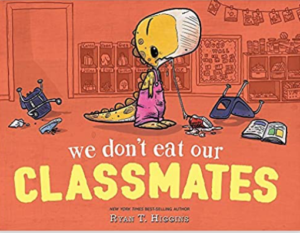
The panel’s moderator was Harold Underdown, Executive Editor at Kane Press and creator of The Purple Crayon website, a gold mine of information on children’s publishing. Harold asked the agents about recent developments in the industry, and the answer was fascinating… they recommended leaning into the weird. Specifically, they noted that neat genre categories are blurring. Saba Sulaiman noted that “there is a thirst for stories that blur genre, like a horror comedy. We want the weird!” Linda Camacho backed this up, saying that “there is a need for escapism, and a thirst for horror and for romance. Blurring genres tends to provide more avenues for creativity.” As an example of blurred genre in picture books, Saba recommended looking at Ryan T. Higgins We Don’t Eat Our Classmates. “It’s a totally unexpected dinosaur book, that funny, sweet, cute and is also a first day of kindergarten book.”
Harold also asked about tips and best practices in terms of searching for an agent. Some of the best resources are agency websites, SCBWI’s Essential Guide, Manuscript Wishlist, and Query Tracker. In addition, Saba recommended getting a short-term subscription ($25 for one month) or a limited subscription ($10 for a day) to Publisher’s Marketplace.  And then, she suggested, pay attention to the pitches. “It’s a great way to learn how to pitch a book.”

And that may be a great way to land one of those elusive agents!

3 Comments

Filed under 2022, Agents, Harold Underdown, Picture Books, RMC-SCBWI, Saba Sulaiman, Stacey Barney, Susan Wroble

Lessons from the Booksellers

By Susan Wroble

Over the summer, I had the opportunity to attend three different events hosted by the Rocky Mountain Chapter of SCBWI that focused on relationships with booksellers. First, RMC’s Perfect Partners webinar featured a panel of five local Indie booksellers:

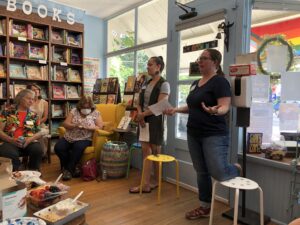
Later in the summer, the chapter’s PAL (published and listed) group gathered at the Wandering Jellyfish bookstore for a session hosted by Jerilyn Patterson and Carissa Mina. Finally, the RMC Northern Colorado Connect hosted author Susan Kusel, who has held jobs as both a librarian and book buyer, focused on how your book gets into bookstores and libraries.

The three events differed in scope but complemented and built on each other. The biggest takeaway? As Jerilyn Patterson noted, “The big A can’t do community.” That’s the role and the benefit of Indies.

Indie Bookstores and Bookshop.org:

If you are looking for independent bookstores, search IndieBound. Type in a city or a zip code, and you’ll get a map and list of all the local Indies.

Once you know the Indies around you, start using Bookshop. Bookshop.org launched just before Covid as an alternative to Amazon for socially conscious shoppers, and their platform was instrumental in helping Indies survive the pandemic shutdowns.

As an author or illustrator, you can set up a Bookshop link—but don’t! As a creator, you will get back only a very small percentage back on each sale from Bookshop. But if you have an Indie sell your books through Bookshop links, they earn 30% on each sale. That is enough to make a huge difference in their bottom line, and helps keeps these stores stay afloat. Here are the takeaways:

  • As an author or illustrator, select and work with a local Indie. Have the buying link on your website for your books go to that Indie’s bookshop page.
  • When you want to buy a book, go to Bookshop.org, click on “choose a bookstore” on their top menu, and from their map of participating bookstores in that area, click on “Support this Shop!”
  • Don’t post Indie buying links in the same post as Amazon buying links. Amazon already sells 60% of books in the US with a growing market share, and the Indies need all our support.

Developing Relationships with Bookstores:

  • Follow bookstores and engage with them on social media. This engagement can be as simple as taking a selfie outside of their store, perhaps with a book that you bought. Respond to their posts with a share or a comment or an emoji.
  • Attend events at the bookstores.
  • Email or text or message and social media the bookstore to introduce yourself, or talk to them while you are there—they want to hear from you. Megan E. Freeman, RMC Webinar Coordinator, recommends bookstore tourism, visiting Indie bookstores at each place you travel!
  • If you can go into the store in person, give advance notice. This allows them to round up your books to sign—and perhaps, given enough advance notice order additional books for signing.
  • Follow the Indies not only in your area, but also in the area where you grew up. As Susan Kusel noted, developing a relationship at the bookstore near where your mother lives is especially important, because family friendships lead to book purchases!
  • SWAG: Bookmarks are the best. Bookstores can set out your bookmarks on the counter and put them in books in a similar genre to promote your book. Temporary tattoos or stickers are also really popular. Don’t send postcards—the bookstores can’t really do anything with them.
  • Bookstores work with publishing sales reps to order books. If you would like local bookstores to carry your books, you need to notify them very early in the process (as soon as you know release dates and long before the actual release), so that they can order copies.

Launches and Events at Bookstores:

  • Visit all the local bookstores and explain that you are a local author with a book coming out. Give an ARC (Advanced Reader Copy) if possible. Shelf Awareness has free newsletters about newly released books and the book industry. Indie bookstores can tailor the copy of Shelf Awareness that they send to their mailing lists, and they will often tailor that to highlight local authors and illustrators.
  • Select one local Indie as the one you will feature to pre-order signed copies that buyers can pick up in the store, or have mailed from there. Use that bookstore for your book launch.
  • If possible, set up a date to go into the bookstore in advance of your event to plan things out.
  • Work with the bookstore to develop a plan for your event—and it needs to be an event, not just a book signing. Brainstorm activities with the booksellers for events that could generate excitement.
  • Tie the event into your book. For example, Megan E. Freeman, whose middle grade book ALONE is in free verse, held a poetry workshop, and Kaz Windness, whose picture book book SWIM, JIM! is about overcoming fears, hosted a pool party parade.
  • Public speaking can be scary. Consider joining Toastmasters if you need practice in engaging your audience.
  • Publicize your event—bookstores do a lot of different events, so they need your audience. The most successful events are a true partnership. There are events where no one shows up, and the difference between those events and the highly engaged ones is often the amount of advance planning.
  • Celebrate the release of a paperback version as if it is a brand-new book, and plan events.

A Few Notes on Libraries:

Unlike bookstores, libraries are ordering books much later in the release process, often after the books have been released and almost always after the initial reviews have come out.

  • Request that your local library carry your books. It is perfectly acceptable for an author or illustrator to submit a request for their own books—and you can have your friends ask too!

Book Reviews:

Posting a supportive book review is a fabulous way to support other creatives, and it can lead to more sales at bookstores. Goodreads is the world’s largest site for book recommendations. It is owned by Amazon, and you can post the same review in both places. You can post reviews on Amazon without buying the book from them. Collect good karma and post, post, post!

  • As you read mentor texts and comp titles, post reviews of the books you enjoy.
  • Post reviews of books from any group you are in (critique groups, debut groups, SCBWI groups, classes…)
  • If you have friends writing work-for-hire (WFH), post reviews of those books as well. They don’t tend to get reviewed, but those rare reviews are incredible gifts, because they can be used in the author’s press kit and promotional materials.

Looking forward to hearing tips from others — please add your suggestions in the comments!

1 Comment

Filed under 2022, RMC-SCBWI, Second Star to the Right Book Shop, Susan Wroble, Wandering Jellyfish